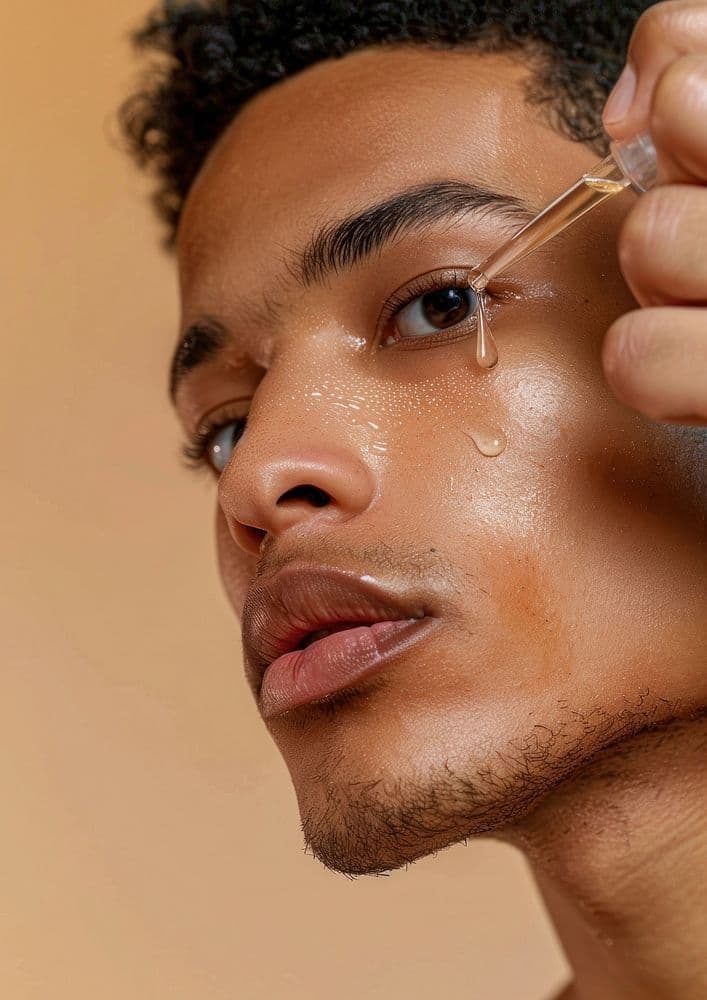

A lot of people focus on one facial feature and ignore the habits that influence the full picture. In reality, sleep, hydration, posture, stress, and body composition often affect how defined or tired your face looks more than people expect.
Why Facial Definition Changes
Your face reflects your overall routine. Some days it can look fresher, sharper, or less swollen simply because your recovery, hydration, and daily habits were better. That means appearance is not only about structure. It is also about condition.
The Main Daily Factors
- Sleep quality and consistency
- Hydration
- Stress and recovery
- Posture
- Daily movement
- Overall eating habits
Sleep Changes the Whole Face
When sleep is poor, the face often looks more tired, puffier, and less balanced. Better sleep timing can improve how awake and fresh your face looks even before bigger body changes happen.
Hydration Helps With Freshness
Consistent hydration supports how your skin and face look overall. It will not magically change your structure, but it can help reduce the dry, tired, flat look that makes the face seem less healthy.
💡 The goal is not a perfect face. The goal is to look healthier, fresher, and more put together through habits you can actually maintain.
Stress Shows Up in Your Appearance
High stress often affects sleep, skin, energy, and facial tension. That can make the face look heavier, tighter, or more tired. Better stress control often improves your whole presence, not just your mood.
Posture Supports a Cleaner Look
A more upright posture helps the face, neck, and jaw area look cleaner together. Slouching and forward head posture can make the lower face and neck look less balanced than they really are.
Movement and Fitness Matter Too
Regular movement and training support better body composition, circulation, and energy. Over time, this can influence how lean, fresh, and defined the face looks as part of the whole body.
Habits That Commonly Make the Face Look Worse
- Chaotic sleep schedule
- Low water intake
- Constant stress without recovery
- Long hours with poor posture
- Very inconsistent eating and activity habits
- Judging your face every day instead of improving your routine
Simple Habits That Help
- Sleep on a more regular schedule
- Drink water consistently
- Walk and move more each day
- Stand and sit with better alignment
- Reduce repeated puffiness triggers
- Track progress weekly instead of obsessing daily
Why Small Changes Add Up
None of these habits seems dramatic on its own. But together they influence how your face looks, how your skin behaves, how tired you seem, and how balanced your overall appearance feels.
The Better Long-Term Approach
If you want your face to look more defined, build habits that improve your whole system. Better sleep, posture, movement, hydration, and recovery are often more useful than obsessing over one tiny facial detail.