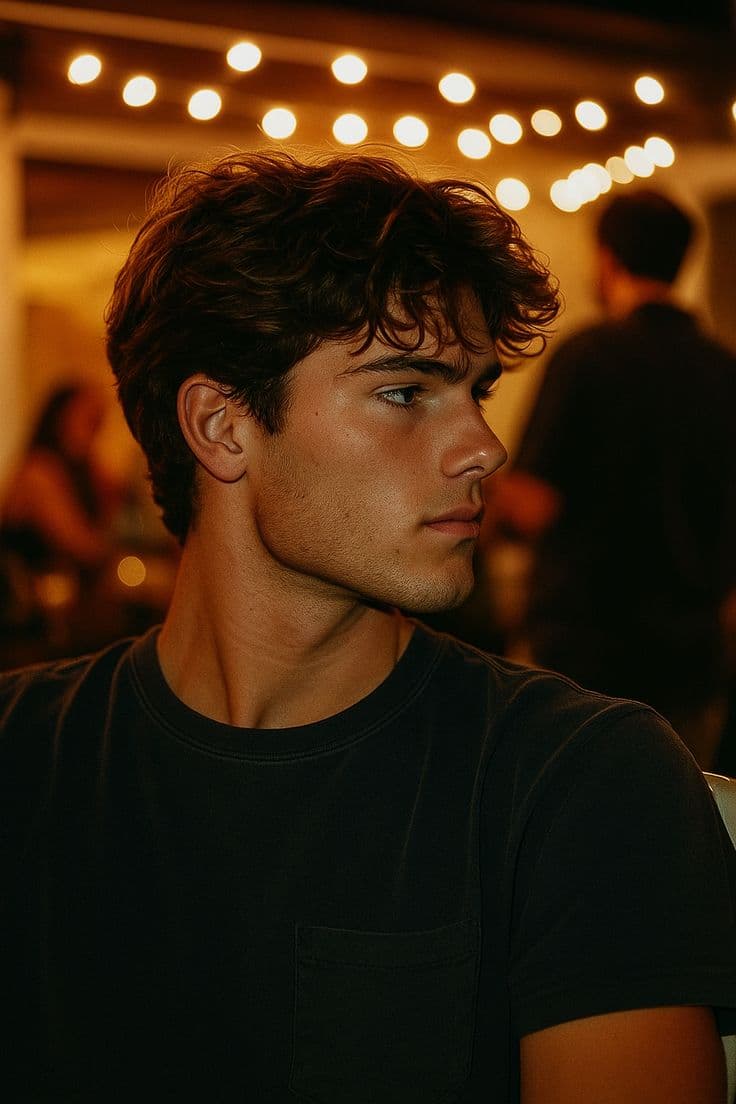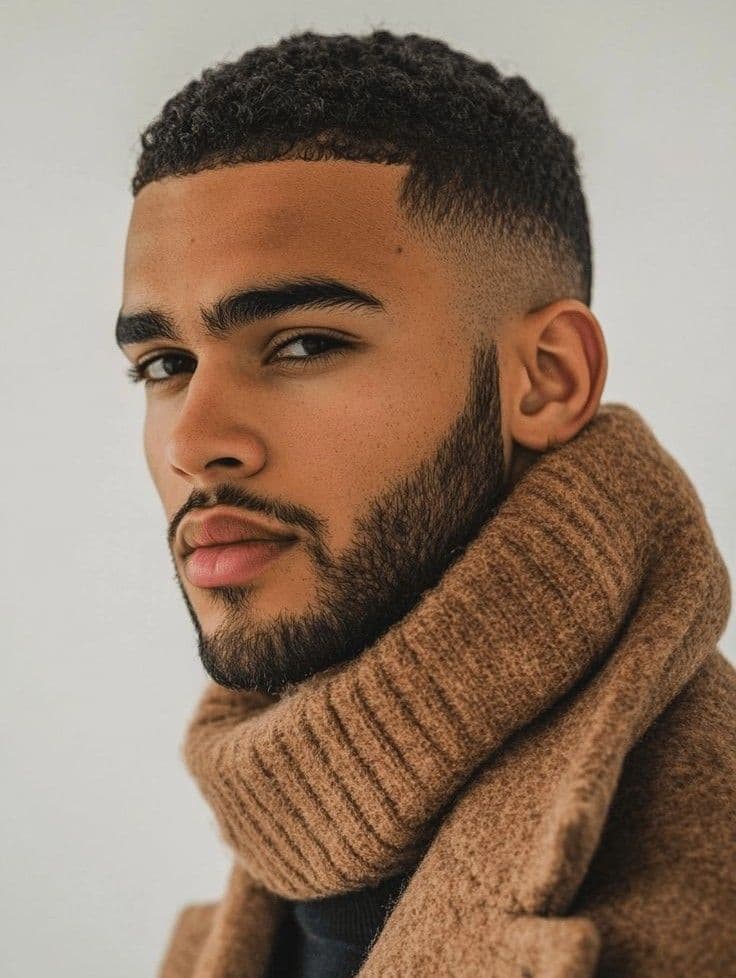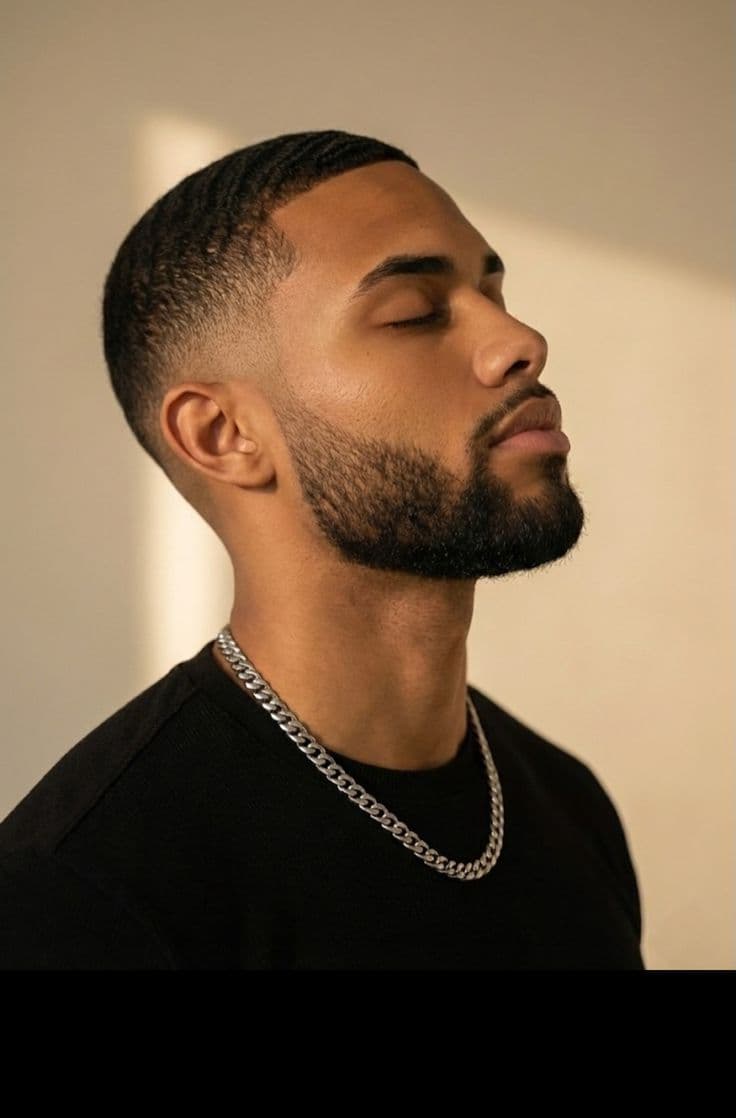
A bad photo does not always mean you look bad. Most people look worse in certain photos because of poor lighting, awkward angles, bad posture, or the camera being too close. A few simple changes can make your photos look much more natural and balanced.
Why Photos Can Look So Different From Real Life
Phone cameras distort faces more easily than people expect, especially when the camera is too close or too low. Lighting and expression also change how your features look from one photo to the next.
The Biggest Things That Affect Face Photos
- Lighting
- Camera distance
- Camera height
- Posture
- Expression
- Lens distortion from being too close
Lighting Matters More Than Angle Alone
Good lighting usually improves a photo more than chasing a perfect pose. Soft natural light from a window or outdoor shade often makes skin look cleaner and the whole face look more even.
- Face the light instead of standing with harsh light above you
- Use soft daylight when possible
- Avoid dark overhead lighting that creates heavy shadows
- Step slightly to the side until the light looks more balanced
💡 If a photo looks bad, blame the lighting first before blaming your face.
Keep the Camera a Little Farther Away
When the phone is too close, features can look stretched or uneven. Taking the photo from a little farther away and then cropping it often creates a more natural result.
Camera Height Changes the Whole Look
Very low angles often make the neck and lower face look less flattering. A camera held around eye level or slightly above eye level is often easier to work with for clean photos.
Posture Improves Photos Fast
- Stand a little taller
- Keep shoulders relaxed instead of collapsed forward
- Avoid pushing your face toward the camera
- Let your neck stay long and natural
Expression Matters Too
A tense face often makes photos worse. You usually look better when your expression is calmer and more natural instead of trying too hard to force a perfect look.
Simple Photo Tips That Help
- Use natural light
- Hold the camera a little farther away
- Take photos from eye level or slightly above
- Relax your face before the photo
- Take a few shots instead of judging one single frame
- Use the back camera when possible if quality is better
What Usually Makes Photos Worse
- Harsh ceiling light
- Camera too close to the face
- Looking down into the phone from a bad angle
- Slouching
- Tension in the mouth, jaw, or eyes
- Judging yourself from one random bad frame
Do Not Overdo the Pose
The goal is not to become stiff or fake. Small adjustments usually work better than dramatic posing. Cleaner lighting, better posture, and a more natural angle often do enough.
A Better Way to Judge Photos
Look for patterns, not one bad shot. If you notice that certain lighting or angles always work better, keep using them. Photos are a skill and a setup problem much more often than a personal flaw.
The Better Long-Term Goal
Instead of obsessing over every photo, learn the basics of light, posture, and camera placement. That gives you a repeatable way to take better photos without needing to overthink every angle.