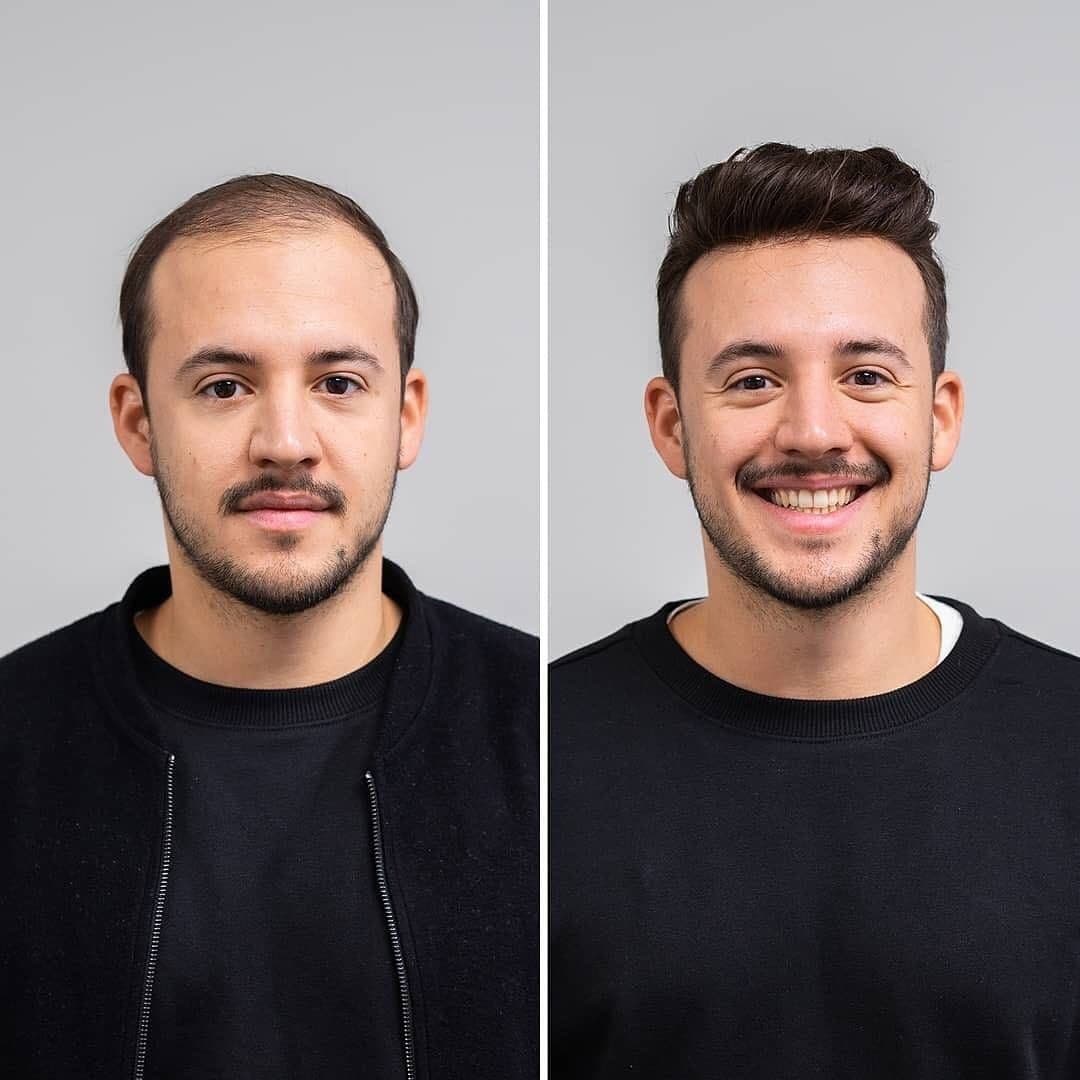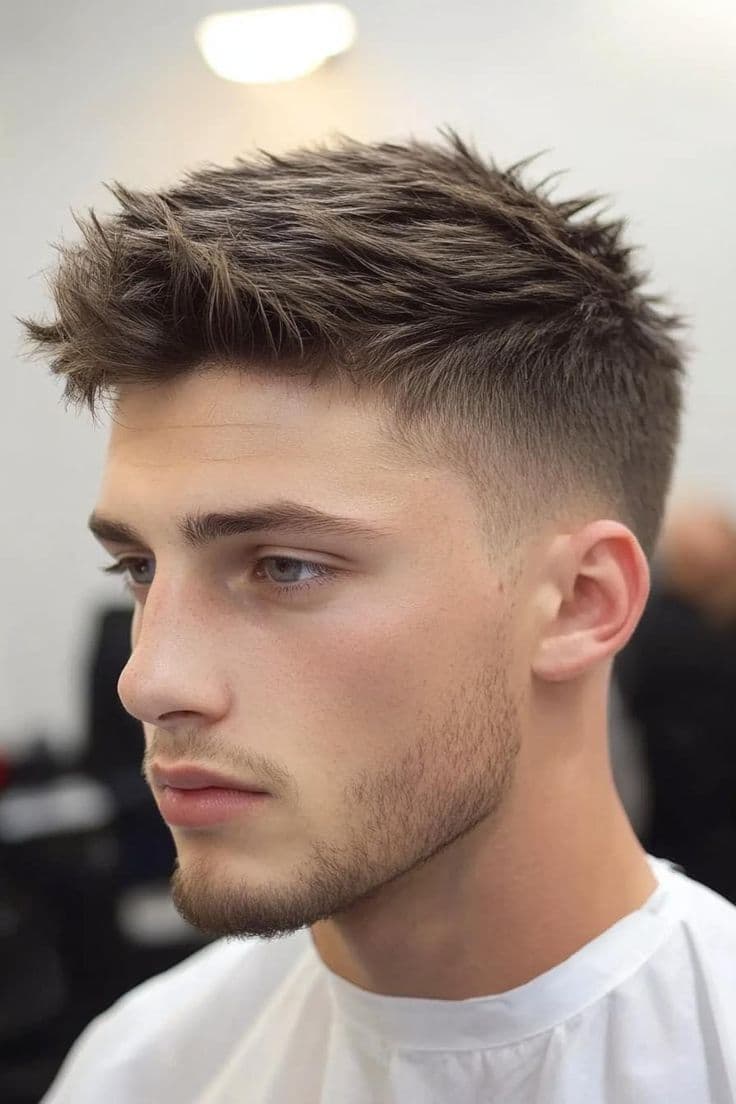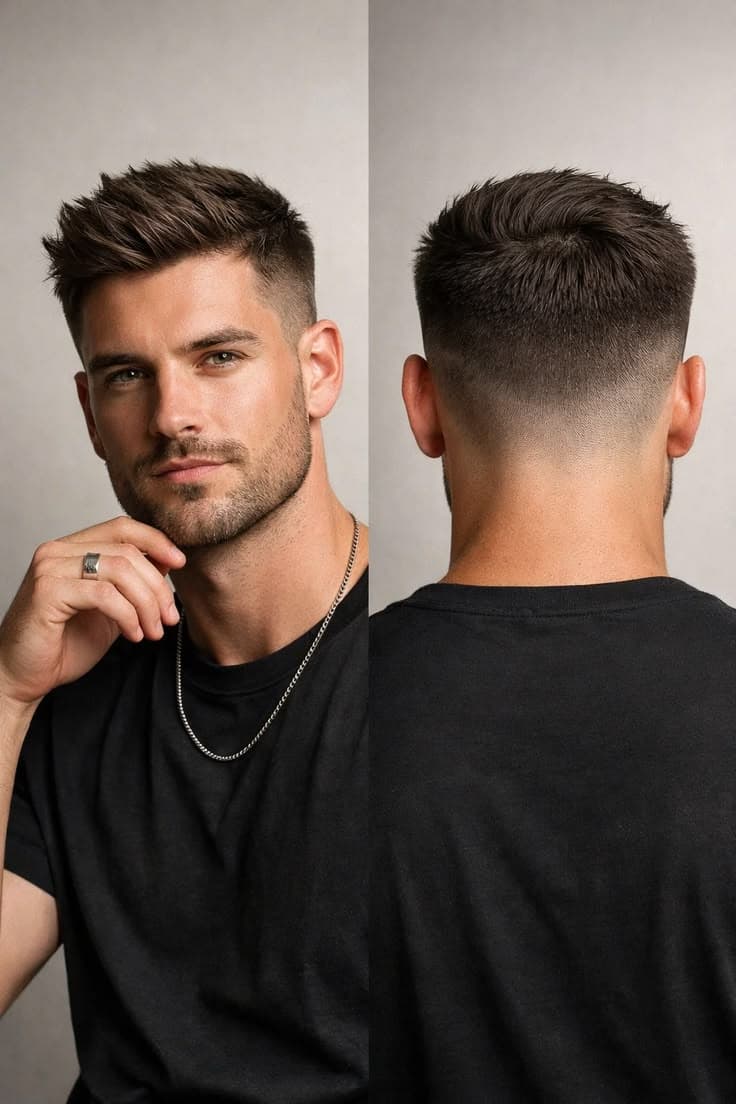

A good hairstyle does not need to copy trends blindly. The best haircut is usually the one that works with your face shape, your hair texture, and the amount of time you are willing to spend styling it every morning.
Why Face Shape Matters
Face shape can help you understand which haircuts create more balance and which ones may feel harder to wear. It is not a strict rulebook, but it is a useful starting point when choosing a style.
The Most Common Face Shapes
- Oval: balanced proportions and flexible for many styles
- Round: softer angles and similar width and length
- Square: stronger angles with a more defined jaw area
- Oblong: face appears longer than it is wide
- Heart: wider forehead with a narrower chin
Hairstyle Ideas by Face Shape
Oval Face Shape
Most haircuts work well here. Textured crops, side parts, quiffs, and short messy styles are usually easy options. The main goal is to avoid hiding your face too much with heavy bulk.
Round Face Shape
Styles with more height on top and cleaner sides often create a more balanced look. Quiffs, textured tops, and styles with some lift can work well. Too much width on the sides can sometimes make the face feel rounder.
Square Face Shape
Square face shapes can usually handle both clean short cuts and more textured styles. Crops, side parts, and short volume on top often work well because they keep things structured without feeling too heavy.
Oblong Face Shape
It usually helps to avoid too much extra height on top. Styles with moderate volume and a little more fullness on the sides can feel more balanced than very tall hairstyles.
Heart Face Shape
Medium-length textured styles can work nicely here. The goal is often to avoid making the forehead look much wider while keeping the haircut balanced overall.
💡 Face shape helps, but hair texture matters just as much. A style that looks good on straight hair may behave very differently on thick, wavy, or curly hair.
Do Not Ignore Hair Type
- Straight hair usually holds cleaner lines more easily
- Wavy hair often works well with texture and medium length
- Curly hair benefits from shape and controlled volume
- Thick hair may need debulking and better structure
- Fine hair often looks better with lighter products and less weight
Think About Maintenance
Some cuts look great in photos but need daily styling, regular trims, and the right products. If you want something easy, tell your barber clearly that you prefer low-maintenance styles.
What to Tell Your Barber
- Show two or three reference photos
- Explain how much time you want to spend styling
- Mention your hair texture and any difficult areas
- Ask whether the cut works for your growth pattern and routine
Common Mistakes
- Choosing a style just because it is trendy
- Ignoring how your natural hair behaves
- Using too much product to force a style
- Expecting the same result as someone with different density or texture
A Smarter Way to Choose
Start by choosing a haircut that matches your face shape reasonably well, works with your hair texture, and fits your real routine. A style that looks good and feels easy to maintain will usually be the best long-term choice.